4 November 2025 · 9 min
Organic architecture after Wright
Taliesin West teaches a method, not a look. The disciples already proved the difference.
ArcSalt’s education is partly volunteer work at Taliesin West and partly years of self-study — Wright, the Fellowship, and the quieter disciples who took organic architecture into other climates. Time in the archives (drawings, letters, construction notes) is useful only if it changes how you stand on a jobsite in Golden.
What did Taliesin West actually teach?
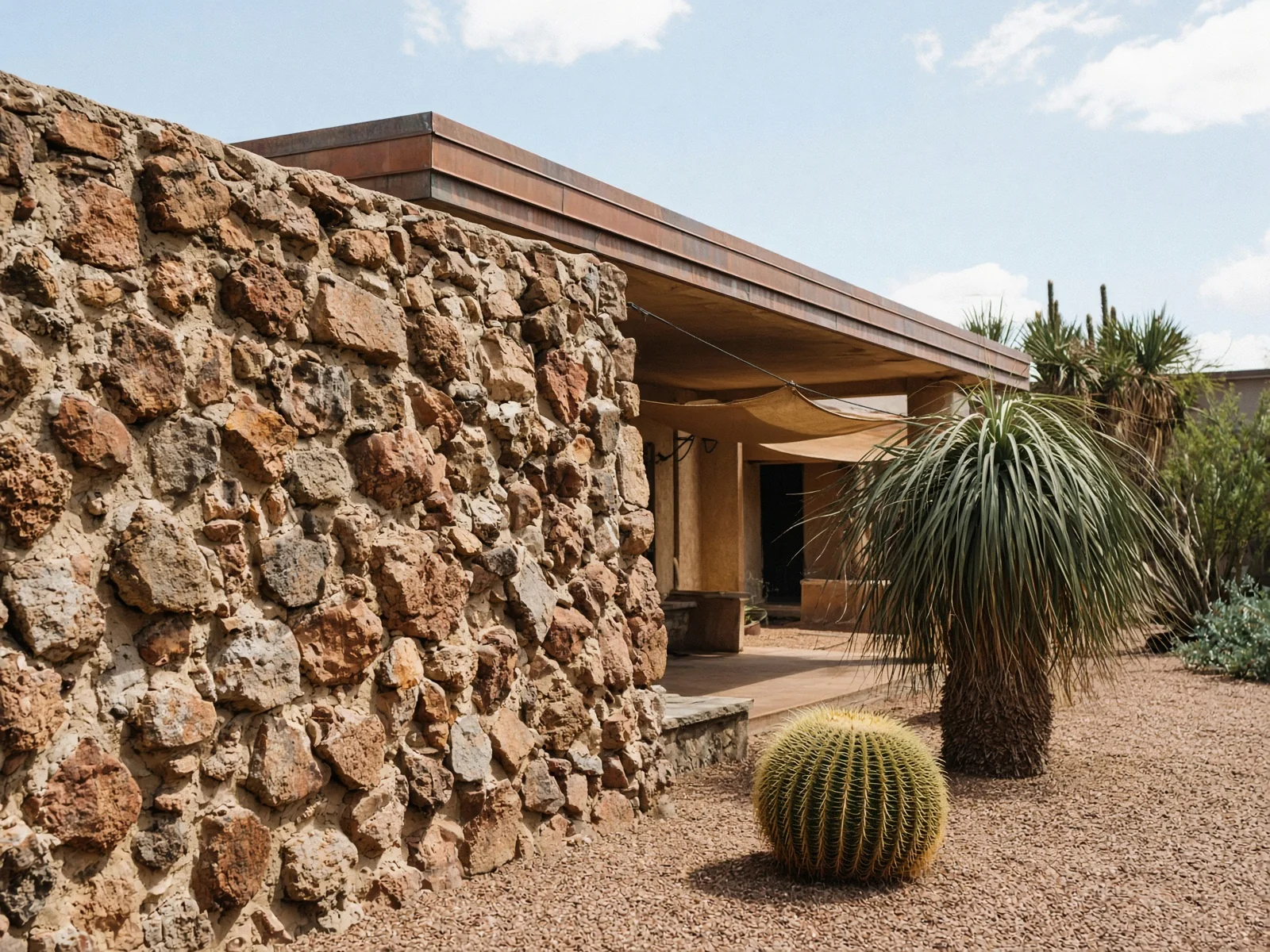
Not how to copy a prow or a chevron. It taught desert masonry — stone gathered on site, set face-out, locked in a matrix — canvas as a roof, copper as an edge, and the idea that a building is a camp that grew until it was inevitable. Apprentices learned by building. That is still the right sequence: hand, then drawing, then specification.
Who are the disciples worth reading?
The useful lineage is not celebrity. It is the people who took organic principles into brick, into the desert, into modest houses: site first, materials that already belong, a plan that is a path of light, ornament that is the joint. Reading them beside Wright keeps a restoration from becoming a costume.
A Wright-inspired house that ignores its lot is not organic. It is a souvenir.
How this lands on a Colorado ranch
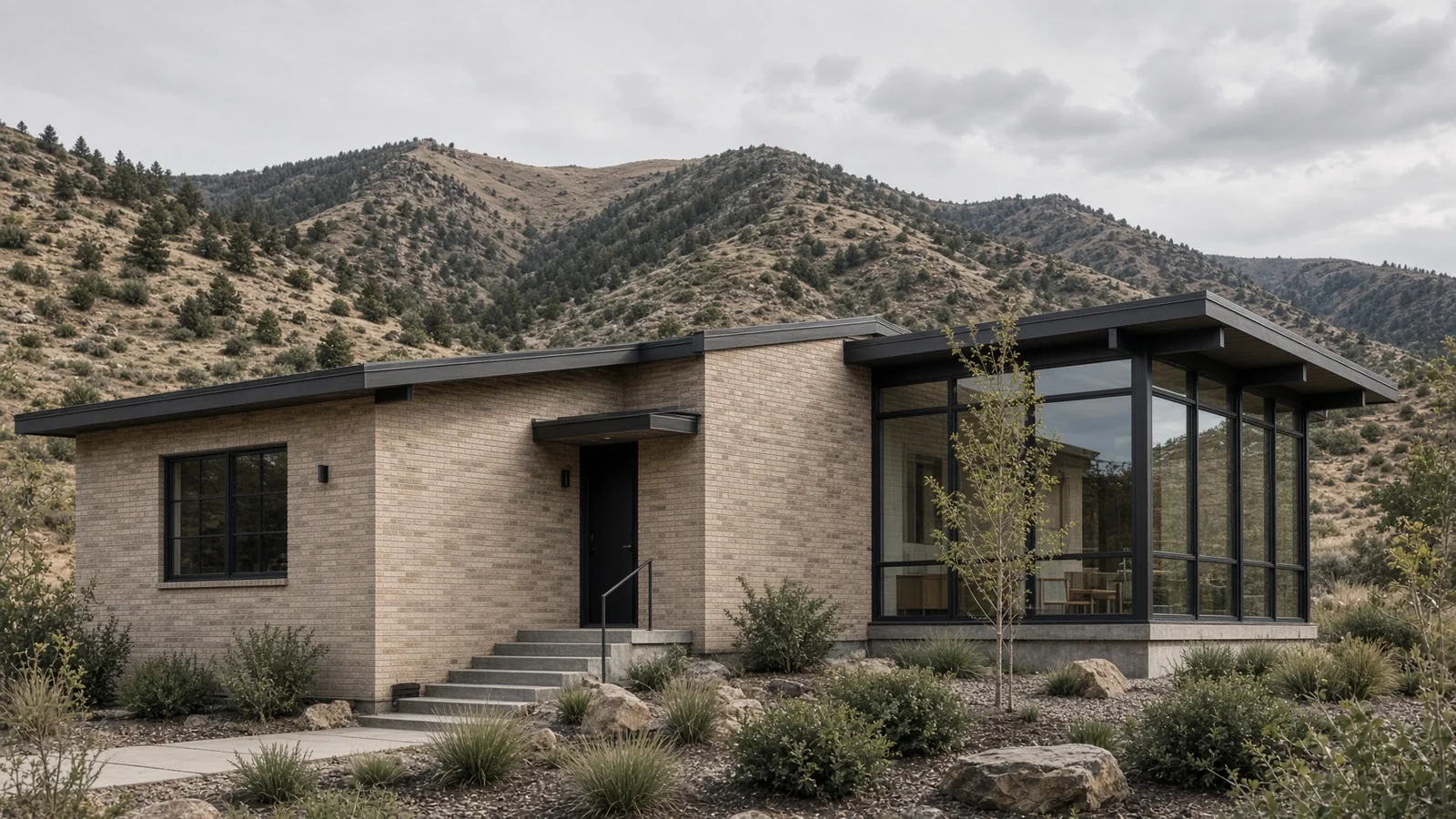
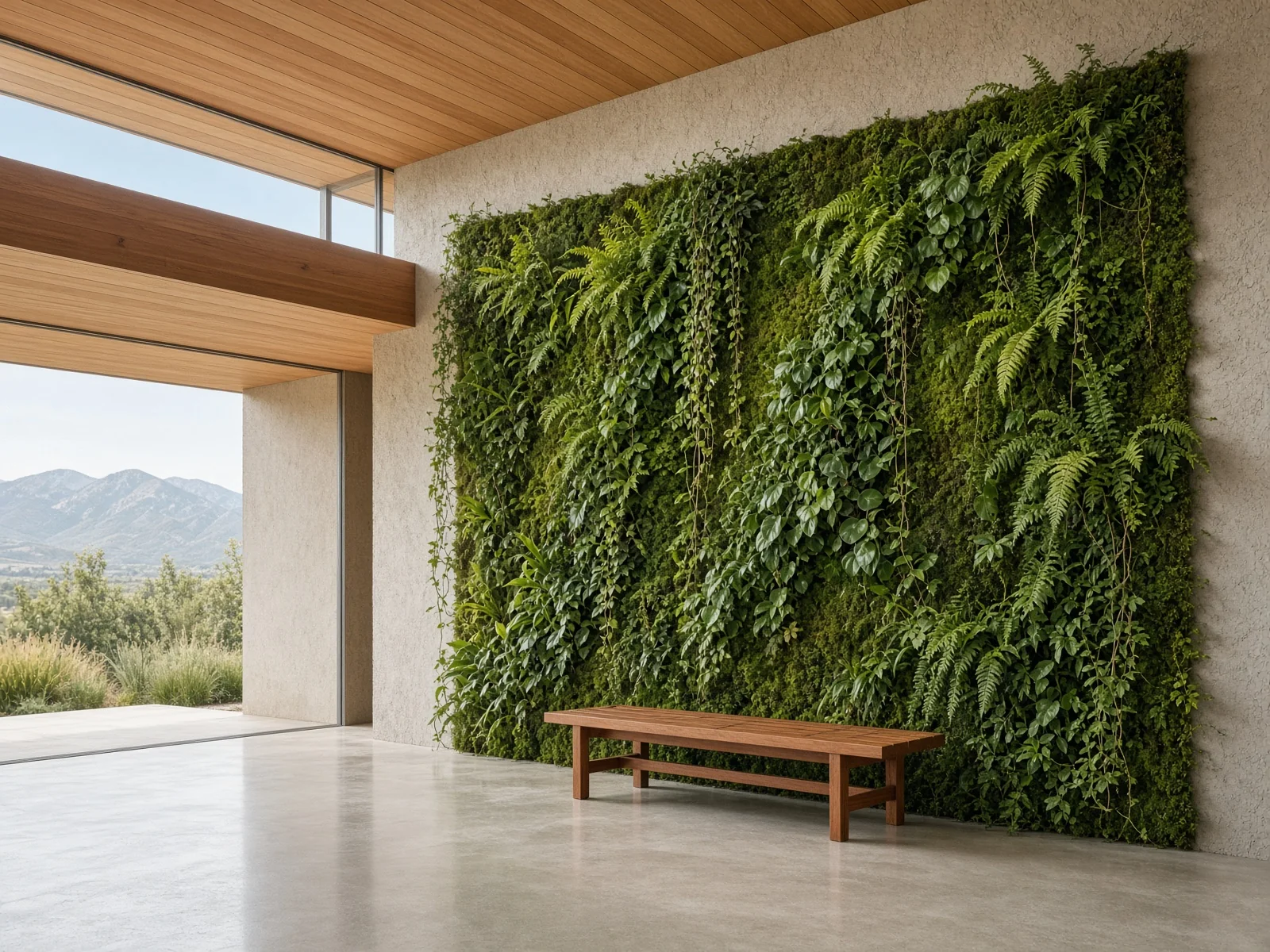
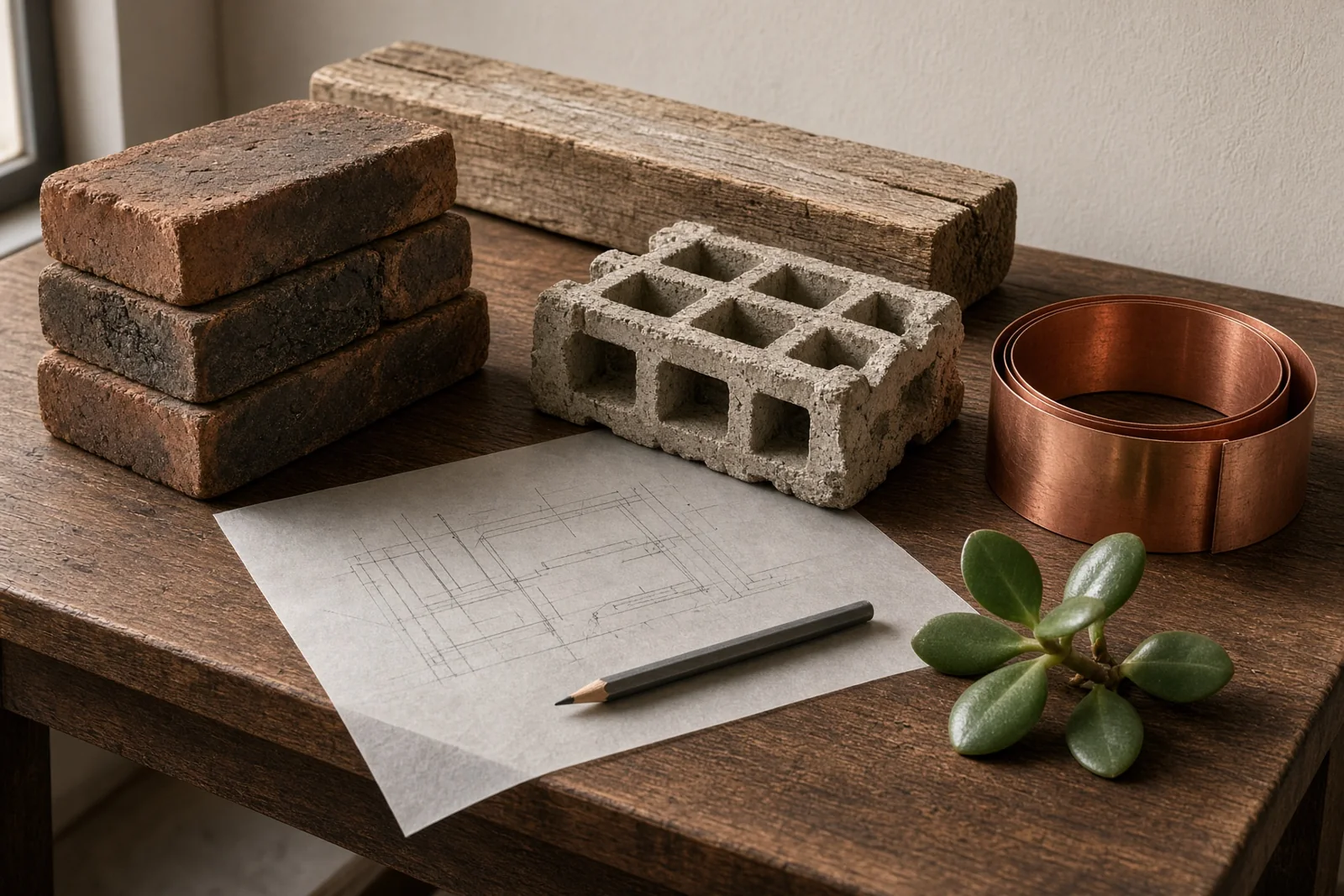
On the Front Range the lesson is horizontal ground, masonry that matches the geology, glass that faces weather with a deep eave, and a garden that is not a Midwestern lawn. Custom block, salvage, hemp-lime, and living walls are contemporary tools for the same idea: the building and the site are one drawing.
ArcSalt is a design studio in Golden, Colorado. Start a conversation · info@arcsalt.com
- organic architecture
- Taliesin
- practice